
More Than Just Sun and Sand
Jūrmala's got a reputation. White sand beaches, pine forests, and that fresh Baltic air — sure, they're all part of the appeal. But here's what most visitors miss: there's a whole other side to this coastal town that makes weekends here genuinely special.
You'll find farmers markets buzzing with energy on Saturday mornings, art galleries tucked into old villas, hiking trails that take you through dunes and wetlands, and local cafés where you're actually going to see people from Rīga relaxing. We're talking about the real Jūrmala — not the postcard version.
Saturday Mornings: Markets and Local Life
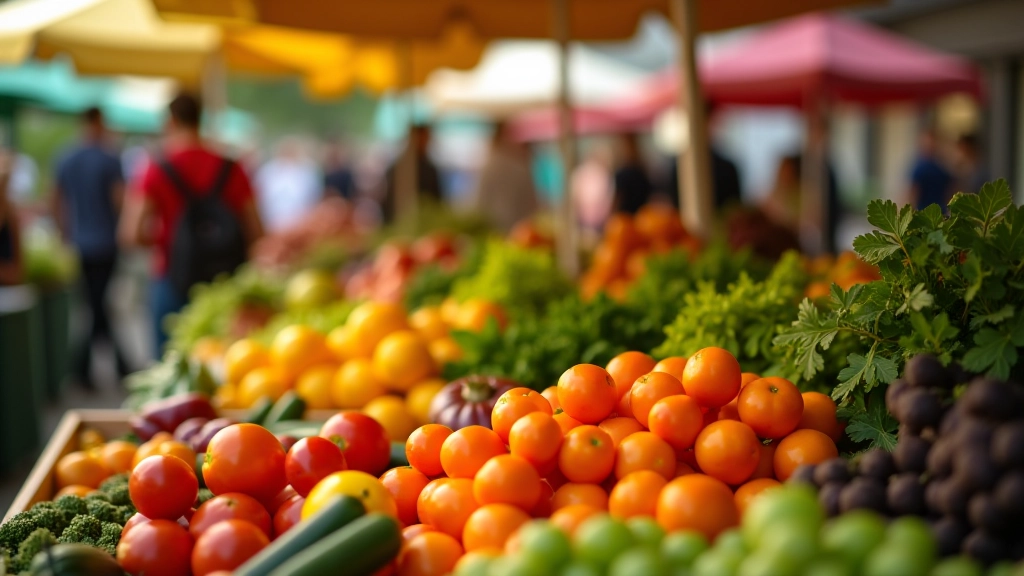
The weekend starts early in Jūrmala if you're smart about it. Saturday morning means the farmers market is on — vendors set up around 9 AM and things are buzzing until about 1 PM. You're not going to find fancy Instagram moments here. It's local growers selling what they actually grew, bakers from nearby villages with fresh bread still warm, and vendors who've been doing this for decades.
Prices are reasonable. A bunch of fresh berries costs maybe 2-3 euros. Bread is around 1-2 euros. People chat. You'll hear Latvian, Russian, and English all mixed together. The real benefit? You get to understand what's actually in season, what people eat here, and you pick up recommendations. Last time I was there, a vendor recommended this small bakery that's only open on weekends — I'd have never found it otherwise.
Pro tip: bring cash. Most vendors take card now, but having coins makes transactions easier. Arrive between 9-10 AM if you want the best selection. By 11 AM things start getting picked over.

Information Note
Market hours and vendor availability vary by season. This guide reflects typical weekend patterns during spring and summer months. Weather conditions, local events, and seasonal changes may affect what's available. We recommend checking local Jūrmala tourism websites or calling ahead for specific venue hours before planning your visit.
Nature Trails and Dune Walks
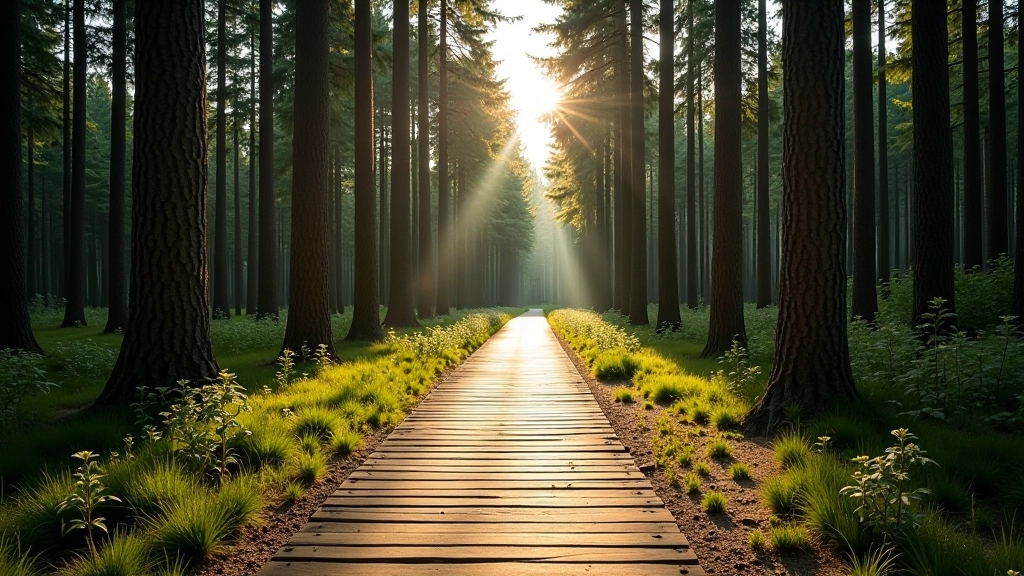
Here's something that surprises people: Jūrmala isn't just beach town — it's got legitimate nature. The trails here are well-maintained, marked clearly, and they actually go somewhere interesting. You're walking through protected dune areas and pine forests that look basically the same as they did 50 years ago.
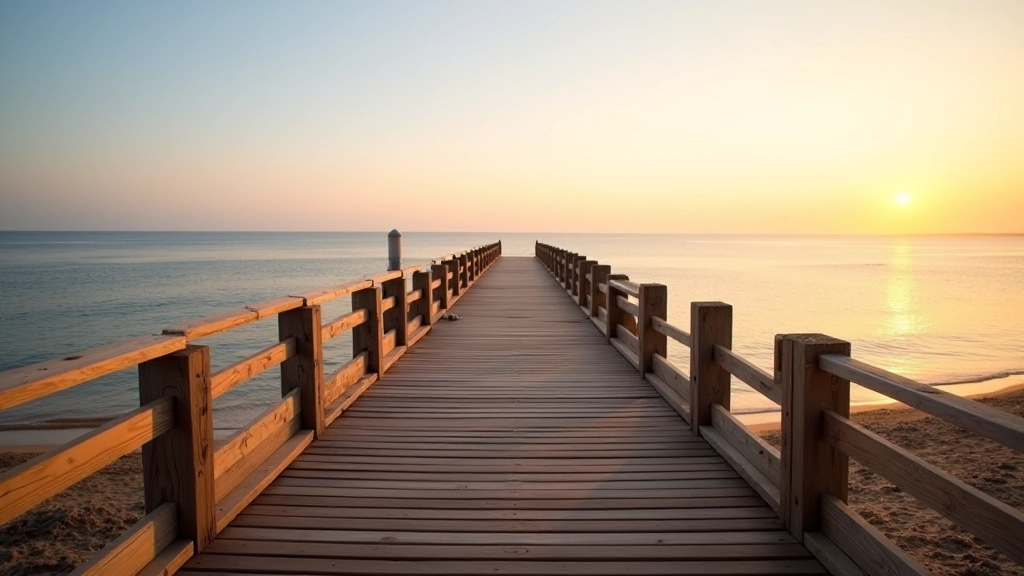
The most popular trail is the Ķemeri National Park path. It's about 4 kilometers round-trip, takes roughly 90 minutes including a few stops to breathe. The boardwalk sections are especially good after rain because the ground's pretty marshy otherwise. You'll see wetland birds, different types of moss, and the occasional deer if you're quiet and lucky. Most weekends, there's a steady flow of walkers, but it never feels crowded.
Shorter option: the Dune Path near Jūrmala Aquapark. It's 2-3 kilometers, takes about 45 minutes, and gives you that pine forest and beach combination in a compact package. It's actually perfect if you're bringing kids or you're not feeling a full hike.
Art Galleries and Cultural Spaces
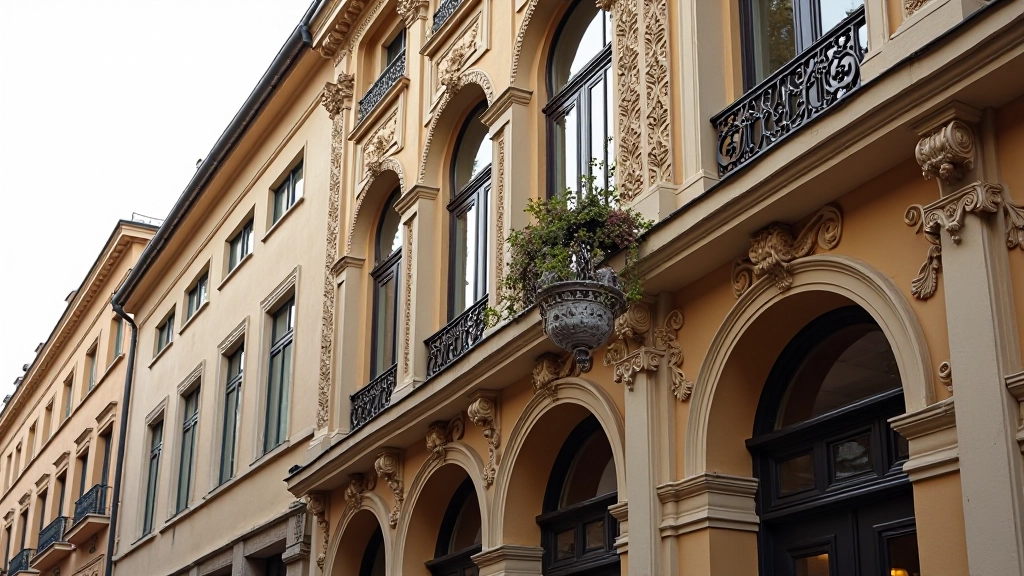
Jūrmala has this quiet cultural scene that doesn't announce itself loudly. Small art galleries are scattered through the town — many in renovated Art Nouveau villas from the early 1900s. These aren't stuffy places with white walls and untouchable installations. They're more like: local artist's work, temporary exhibits that actually matter, and spaces where you can actually have a conversation with someone who knows the pieces.
The Jūrmala Museum is worth 2-3 hours on a weekend afternoon. It's not huge, but it tells the actual story of how this place developed — from fishing village to Soviet resort town to what it is now. You'll see old photographs, period furniture, and exhibits about the beach culture that developed here. Admission's around 5 euros. Most people are locals or serious tourists, so you're not jostling through crowds.
Smaller galleries pop up seasonally. Check local notice boards or ask at the tourist office when you arrive — there's usually something interesting running on weekends.
Cafés and Food Beyond the Obvious
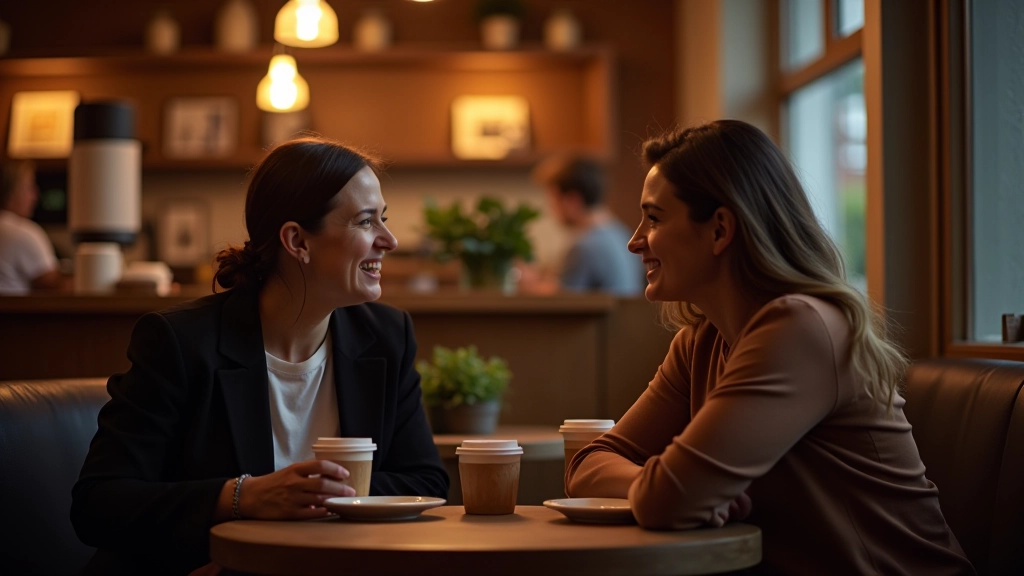
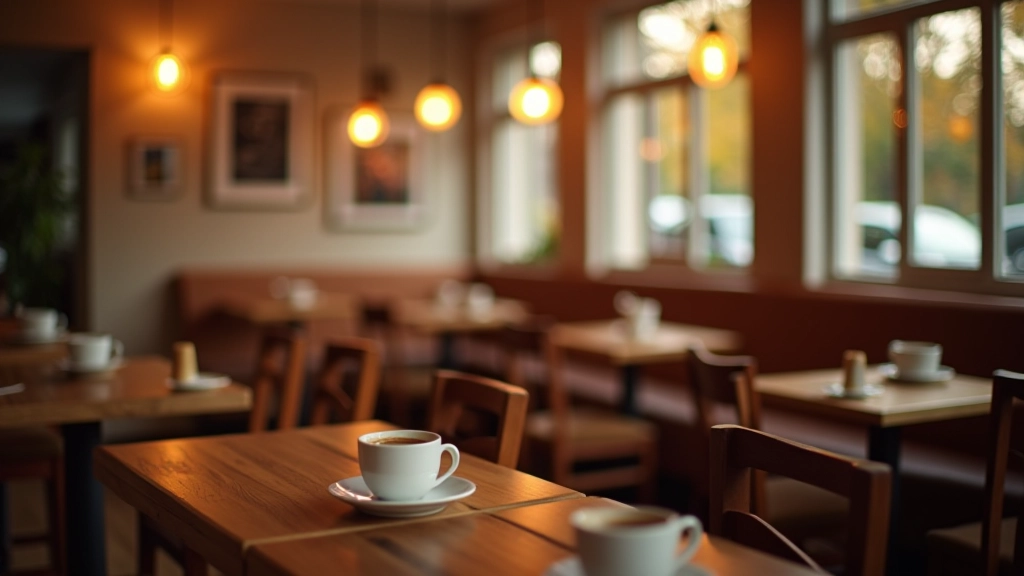
The beach promenade's got plenty of restaurants, sure. But the real finds are one street back from the water. There's a café culture here that's actually genuine — people meeting friends for coffee, locals who come in every weekend, and owners who actually care about what they're serving.
You'll find places serving traditional Latvian food done well — not tourist-trap versions, but actual home cooking. Pirāgi (bacon and onion pastries), grey peas with bacon, rye bread soups. Most places keep prices reasonable. A coffee's about 1.5-2 euros. A lunch plate runs 5-8 euros. Don't expect English menus everywhere, but most places have staff who speak it, and pointing works fine.
The smart play: wander side streets on Saturday or Sunday afternoon. You'll stumble on places that aren't listed in guidebooks. Ask locals where they grab coffee — you'll get better recommendations than any review site.
Making Weekends Actually Count
The thing about Jūrmala is that it rewards curiosity. Yeah, you could just hit the beach and be done with it. But if you show up early Saturday morning, walk a forest trail, spend an hour at a gallery, and eat lunch at a place you discovered yourself, you're getting something completely different from what most tourists experience.
Weekends here don't have to be expensive or complicated. They're good because they're real — local life actually happening, places that have been doing what they do for years, and spaces where you're not being sold something constantly.
Plan to arrive early, move slowly, and talk to people. That's honestly the formula. You'll leave with actual stories instead of just photos.